
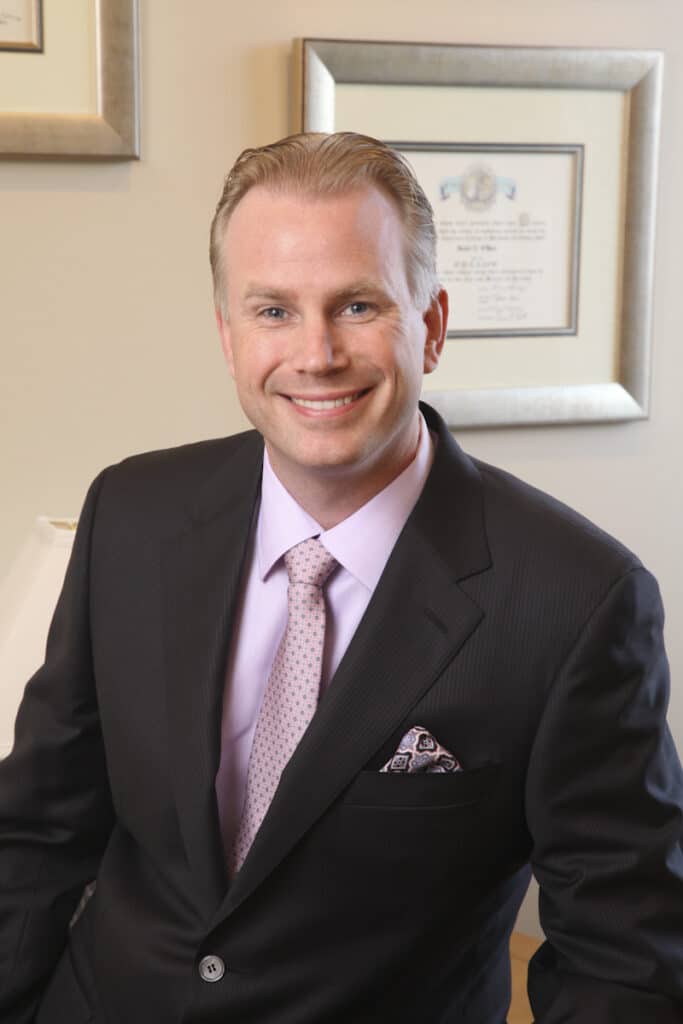
Written or reviewed by David Bogue, MD, board-certified plastic surgeon.
Choosing a surgeon certified by the American Board of Plastic Surgery provides evidence that the physician completed approved plastic-surgery training and passed comprehensive written and oral examinations. Certification does not guarantee a particular result, but it is an important starting point when evaluating a surgeon’s qualifications, safety practices and ability to manage complications.
What Does “Board-Certified Plastic Surgeon” Mean?
Board certification is a voluntary credential that goes beyond obtaining a medical license. In the United States, the specialty board to look for is the American Board of Plastic Surgery (ABPS), one of the medical specialty boards recognized by the American Board of Medical Specialties.
According to the ABPS, certification requires approved education and training in plastic surgery and successful completion of examinations covering the specialty. The process evaluates more than the ability to perform one cosmetic operation. Plastic-surgery training includes cosmetic and reconstructive surgery throughout the body, along with judgment, patient selection, safety and complication management.
Why Does Board Certification Matter?
Cosmetic surgery is elective, but it is still real surgery. A technically attractive result is important, yet so are appropriate patient selection, anesthesia planning, infection prevention, recognition of complications and follow-up care.
ABPS certification helps confirm a foundation of:
- Formal training in the full scope of plastic surgery
- Comprehensive written and oral examinations
- Standards involving ethics and professional conduct
- Ongoing education and practice improvement through continuous certification
- Training to recognize and manage surgical complications
These credentials cannot predict the outcome of an individual operation. They do, however, give patients a meaningful way to distinguish specialty training from a marketing title.
Is a “Cosmetic Surgeon” the Same as a Plastic Surgeon?
Not necessarily. Physicians may advertise cosmetic services even when their original residency training was in another field. An official-sounding certification may also be in a specialty unrelated to the operation you are considering.
The American Society of Plastic Surgeons advises patients to verify certification specifically through the ABPS rather than relying on the general phrase “board certified.” Ask both whether a physician is board certified and which board issued the certification.
How Can You Verify a Surgeon’s Credentials?
You do not have to rely on advertising or social-media profiles. Before scheduling surgery:
- Use the ABPS certification search to confirm current certification.
- Check the physician’s medical license through the applicable state medical board.
- Ask whether the surgeon has hospital privileges for the procedure being discussed.
- Confirm that surgery will take place in an appropriately accredited or licensed facility.
- Ask how frequently the surgeon performs your procedure and review representative before-and-after photographs.
Why Do Hospital Privileges Matter?
Hospital privileges provide an additional layer of independent credentialing. Before granting privileges, a hospital’s medical staff reviews a physician’s education, training, licensure, professional history and qualifications for the procedures requested. Maintaining privileges also requires ongoing credentialing and continued good professional standing under the hospital’s requirements.
Hospital privileges do not guarantee a particular surgical result, but they show that an organization outside the surgeon’s private practice has evaluated the physician’s qualifications. Ask whether the surgeon has privileges to perform the procedure you are considering—not simply whether the surgeon is affiliated with a hospital.
What Else Should You Consider?
Credentials are essential, but they are not the entire decision. Your surgeon should listen carefully, explain reasonable alternatives and tell you when a requested procedure is unlikely to produce the result you want. You should understand the expected scars, recovery, limitations and material risks before deciding.
It is also reasonable to ask who will provide your postoperative care and how the practice handles concerns after surgery. A good consultation should leave you better informed—not pressured.
Dr. Bogue’s Training and Approach
Dr. David Bogue is certified by the American Board of Plastic Surgery and has extensive experience in cosmetic and reconstructive breast and body surgery. He personally evaluates each surgical patient, develops the operative plan and remains involved throughout postoperative care.
Dr. Bogue maintains hospital privileges at Boca Raton Regional Hospital. Procedures are performed in appropriately credentialed surgical facilities, with the specific location selected according to the procedure and the patient’s needs.
Frequently Asked Questions
Which board certification should a plastic surgeon have?
For a plastic surgeon practicing in the United States, look for certification by the American Board of Plastic Surgery. You can verify certification directly through the ABPS website.
Does board certification guarantee a good result?
No credential can guarantee a result or eliminate surgical risk. Board certification verifies important training and examination standards, while procedure-specific experience, communication and sound judgment also matter.
Should I ask about hospital privileges?
Yes. Hospital privileges provide another layer of credentialing and show that a hospital has reviewed the surgeon’s qualifications for specific procedures.
Is an accredited surgical facility important?
Yes. The facility should meet appropriate standards for equipment, personnel, anesthesia and emergency preparedness.
Meet With Dr. David Bogue, a Board-Certified Plastic Surgeon in Boca Raton
A consultation with Dr. Bogue allows you to discuss your goals, review your options and decide whether surgery is appropriate for you. Surgical consultations are $100, credited toward surgery when booked. Call 561-886-1000 or request a consultation online.