
Breast reduction can be worth it when the expected improvement in comfort, activity, breast size, or body proportion outweighs the scars, recovery, and surgical risks for that patient. Many women consider it a highly meaningful operation because it addresses both the physical weight of large breasts and the appearance of the breasts at the same time.
The decision remains personal. A good candidate understands that breast reduction can make the breasts smaller, lighter, and more lifted, but cannot guarantee a cup size, perfect symmetry, complete pain relief, or an invisible scar.
What Does Research Show About Patient Satisfaction?
Published research supports the consistently high satisfaction associated with breast reduction. A review of 518 consecutive breast-reduction patients reported that 97% achieved complete resolution of their preoperative symptoms and were satisfied with their results.
A more recent systematic review and meta-analysis of 28 BREAST-Q studies found significant improvements after breast reduction in satisfaction with the breasts and in physical, psychosocial, and sexual well-being. These findings show why the procedure is often rated highly, but population-level results cannot guarantee how any individual patient will heal or feel about her outcome.

What Benefits Can Breast Reduction Provide?
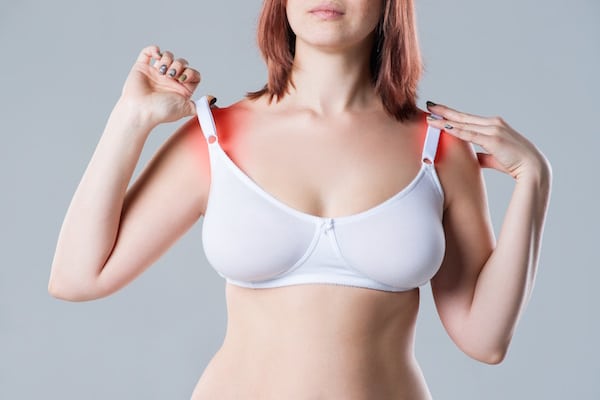
Large, heavy breasts can contribute to neck, upper-back, or shoulder discomfort; deep bra-strap grooves; moisture and irritation beneath the breasts; and difficulty finding supportive bras. Removing breast tissue reduces the weight carried on the chest and may improve these concerns.
Not every source of pain is caused by breast size, so complete relief should not be promised. When symptoms have another cause, that condition may still require evaluation or treatment after surgery.
Can It Make Exercise and Daily Activity Easier?
Breast weight and movement can make running, high-impact exercise, bending, and some work or recreational activities uncomfortable. Even multiple sports bras may not provide enough support. A smaller breast size can make movement more comfortable and expand the activities a patient is willing to do.
The operation does not create fitness or correct posture automatically. Its potential value is that reducing the physical burden may remove an obstacle to exercise, standing, walking, and other daily activities.
How Does Breast Reduction Change Appearance?
A reduction is also a breast lift. Dr. Bogue removes excess tissue and skin, repositions the nipple, and reshapes the remaining breast. This can improve proportion, raise breast position, and create a rounder contour while producing the smaller size the patient wants.
Some women want to be made as small as reasonably possible; others prefer a modest reduction that preserves more volume and upper-breast fullness. The operation is designed around the patient’s anatomy and preference rather than a universal ideal size.
View Dr. Bogue’s breast reduction before-and-after photos for examples of individual results; your outcome will depend on your anatomy and surgical plan.
Can It Improve Clothing Options and Confidence?
A large difference between breast and torso size can make dresses, button-front shirts, swimsuits, and fitted clothing difficult to buy. Smaller breasts may make standard sizing easier and allow a broader range of bras and clothing.
Some patients also feel less self-conscious or more proportionate after reduction. These experiences are individual, and emotional benefits cannot be guaranteed, but cosmetic goals are valid even when a patient does not have physical symptoms.
What Are the Most Important Tradeoffs?
Most breast reductions require permanent anchor-shaped scars: around the areola, vertically down the lower breast, and along the breast crease. Scars are more visible early and usually soften and fade over time, but they do not disappear.
Temporary changes in nipple or breast sensation are common, and permanent numbness or altered sensitivity is possible. Breastfeeding may be possible but cannot be guaranteed because glandular tissue and ducts are affected. Other risks include bleeding, infection, delayed healing, asymmetry, tissue loss, and the possible need for revision.
What Is Recovery Like?
Discomfort is generally mild to moderate and is most noticeable during the first few days. Patients keep activity very light for the first two weeks and avoid exercise and heavy lifting. Cardio, light lifting, and full arm range of motion can usually resume at about two weeks.
A supportive or compression bra is typically worn around the clock for six weeks. By about six weeks, most patients can return to unrestricted exercise and normal activity. If a large amount of tissue is removed, drains may be used for approximately one week.
How Long Do Results Last?
The tissue removed during reduction does not grow back, but the remaining breast tissue can still change with pregnancy, aging, weight gain or loss, and hormonal changes. The skin also continues to age, so no surgery can permanently stop future stretching or sagging.
Maintaining a stable weight and using good breast support—particularly during exercise—can help preserve the result. Patients planning pregnancy soon may prefer to postpone surgery, although significant symptoms may justify proceeding earlier.
Can Insurance Make Breast Reduction More Affordable?
Insurance may cover breast reduction when a plan’s medical-necessity requirements are met. Common requirements include documented symptoms, attempted conservative treatment, prior authorization, and removal of a minimum amount of tissue based on height and weight.
Coverage varies and can be denied even when symptoms are substantial. Cosmetic or self-pay surgery remains an option when insurance criteria are not met. Dr. Bogue requires a BMI below 30 before breast reduction for safety and to support the surgical result.
How Do You Decide Whether It Is Worth It for You?
Consider which concerns matter most: breast weight, discomfort, exercise, skin irritation, clothing, breast position, size, or proportion. Then weigh the expected improvement against permanent scars, recovery, possible sensation or breastfeeding changes, cost, and surgical risk.
During consultation, Dr. Bogue evaluates breast size, skin, nipple position, asymmetry, health, imaging, pregnancy plans, and the amount of reduction desired. A realistic recommendation depends on the patient’s anatomy and priorities—not on a generic promise that the operation is right for everyone.
Call 561-886-1000 or request a consultation online.