
Pregnancy does not automatically undo a breast reduction, but it can change the breasts’ size, skin, and shape. Some women notice little lasting change, while others develop increased volume, loss of fullness, stretching, or sagging after pregnancy and breastfeeding. The amount of change cannot be predicted in advance.
If pregnancy is planned in the near future, waiting may help preserve the result of breast reduction surgery. However, a woman with significant discomfort or activity limitations may reasonably choose surgery sooner after discussing the tradeoffs.
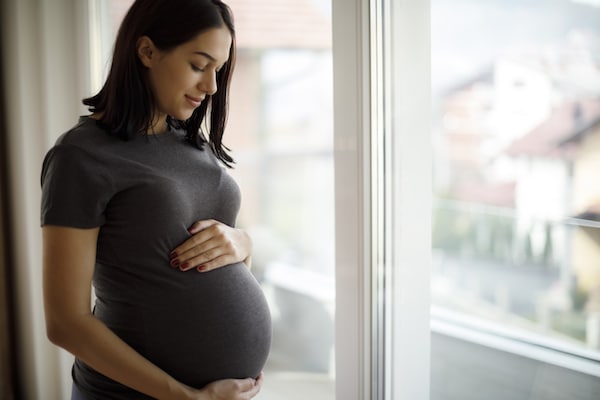
What Breast Changes Can Occur During Pregnancy?
Hormonal changes prepare the breasts for milk production and commonly increase breast volume. The skin and internal support tissues may stretch as the breasts enlarge. After pregnancy or breastfeeding, volume may decrease again, but the skin does not always tighten to its previous shape.
A prior reduction does not prevent these normal changes. Depending on genetics, skin elasticity, weight change, breast enlargement, and breastfeeding, the breasts may remain close to their postoperative appearance or may become larger, smaller, less full, or lower on the chest.
Will Pregnancy “Ruin” a Breast Reduction?
No single outcome should be assumed. The word “ruin” overstates what often happens. Many patients remain pleased with the improvement from their reduction even if pregnancy changes the result to some degree.
Other patients notice enough stretching or volume change that they later consider additional surgery. It is usually best to wait until pregnancy and breastfeeding are complete and breast size has stabilized before deciding whether any revision would be worthwhile.
Can You Breastfeed After Breast Reduction?
Breastfeeding may be possible after breast reduction, but it cannot be guaranteed. Surgery removes glandular tissue and can affect milk ducts and nerves involved in lactation. The amount of milk produced after surgery varies substantially among patients.
Dr. Bogue keeps the nipple and areola attached to living breast tissue rather than removing and grafting them in routine reduction surgery. This helps preserve blood supply and sensation, but it does not ensure a full milk supply. Patients who hope to breastfeed should discuss that priority before surgery and may benefit from lactation support after delivery.
Should You Wait Until You Are Finished Having Children?
When pregnancy is likely soon, postponing surgery is generally the most predictable way to protect the result and avoid a possible second operation. Waiting also removes breast-surgery-related uncertainty about milk production.
That does not mean every patient must wait. Years of neck, back, or shoulder discomfort; bra-strap grooves; skin irritation; or difficulty exercising can have a meaningful effect on daily life. The decision depends on the severity of those concerns, the timing of pregnancy plans, and the patient’s priorities.
How Long Should You Wait After Pregnancy?
Breast size and body weight should be stable before elective breast surgery. Breastfeeding must be completed, milk production must have stopped, and pregnancy-related breast changes should have had time to settle. The appropriate interval varies, so timing is confirmed during consultation rather than by a universal calendar date.
Patients should also be able to arrange help during recovery. Lifting restrictions can make early care of an infant or toddler difficult, and another adult may need to handle lifting and other strenuous tasks.
Can Pregnancy Change Breast-Reduction Scars?
Pregnancy does not usually alter a mature scar directly, but substantial breast enlargement can stretch the skin and may widen or change the appearance of existing scars. The degree of change depends on how much the breast enlarges and how the patient’s skin responds.
New breast stretch marks may also develop during pregnancy. These are related to skin expansion and individual susceptibility rather than the reduction itself.
What If the Breasts Change After Pregnancy?
No treatment is needed if the patient remains comfortable and satisfied. If the breasts become lower but the size remains acceptable, a breast lift may be considered. If they become too large again, a secondary reduction may be appropriate. Other changes may not justify additional surgery.
The safest recommendation depends on the remaining breast volume, skin, nipple position, scars, asymmetry, health, and goals. A revision is not automatic, and the original result often continues to provide meaningful relief even after pregnancy.
How Should Pregnancy Plans Be Discussed Before Surgery?
During consultation, tell Dr. Bogue whether pregnancy is possible or planned, how soon it may occur, whether breastfeeding is important, and how strongly current breast size affects comfort and activity. These details help balance the benefits of having surgery now against the advantages of waiting.
The goal is not to predict an unknowable pregnancy response. It is to make an informed timing decision with realistic expectations about breast shape, milk production, recovery, and the possibility—but not certainty—of future revision.
Call 561-886-1000 or request a consultation online.